The Fortress Town

In a northern bite of the Ionian Sea are some of Italy's most perfectly formed coastal towns, and Gallipoli is one of these. Here the ocean wraps calmly around the coast in stretches of golden beach, small bays and sheltered harbours.
Fishing fleets cluster in the port area of Gallipoli and here too the occasional cruise ship may pull in to berth for the night. The sun beats down in a permanent summer glow. The outdoor cafes never close. The waterfront promenades are much used. The shops spill out onto the pavement where the rain rarely falls.

Gallipoli is a quintessential southern Italian town, steeped in history, rich in the signatures of its past. On a small island off the coast but connected to the modern city by bridge, the Old Town is perfectly captured and remains in tact. The streets twist and turn; the beaches fringe the island; the castle staunchly guards the harbour.
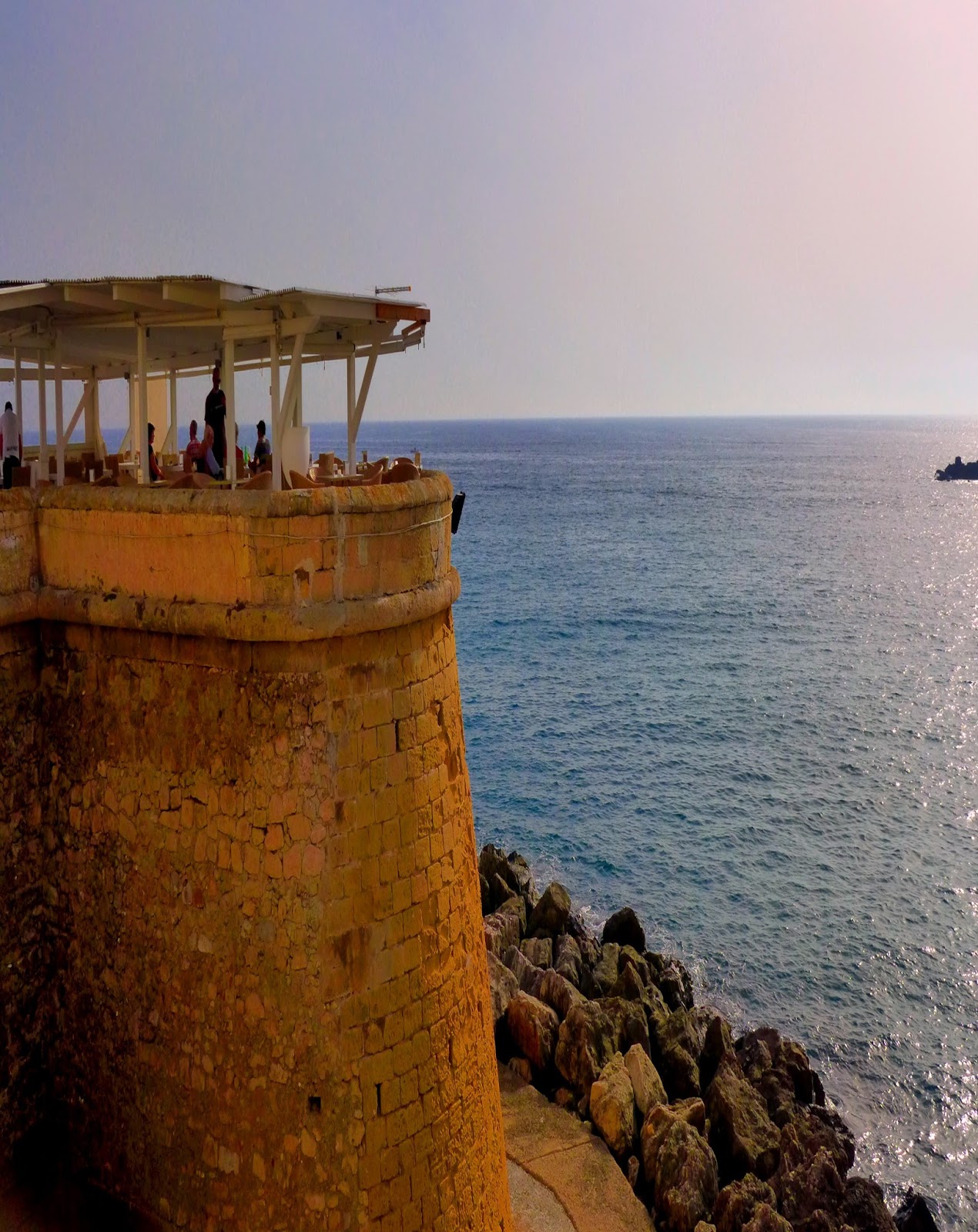
 With its muscular, stocky tower walls and its impregnable frontage here is again a castle built in the Aragonese style; a style found up and down the southern Italian coast. Originally spreading out from a small Spanish kingdom the Aragonese Empire at one time ruled over large portions of southern Italy, Greece, France, and of course Spain where it originated. The polygonal walls and rounded towers are the signature of the Aragonese fortress and can be seen in a number of port towns in southern Italy.
In Gallipoli the open air cafe/bar at the top of a waterfront tower is the ideal spot to pause and enjoy the warm coastal breezes after strolling through the heart of the Old Town. Gallipoli is casual and relaxed - not part of the standard tourist trails but perhaps more appealing because of this.
In Gallipoli there are amazing Baroque facades richly carved in limestone to admire; there are yachts moored in the shadow of the castle walls; here are golden sand beaches to enjoy; there are ancient bridges, historic churches and of course the twisting maze of Old Town back streets to wander.
Gallipoli is a town with a clear separation between old and new, yet one is an easy walk to the other. It is an eminently walkable town, an eminently appealing town, and one that has surprisingly managed to slip through well below the radar of the drive to modernise and industrialise.

Also Pip McCurdy's New Zealand posts:
On Blogspot, Pip McCurdy on the Road
Website: http://www.unusualstays.com/
https://www.facebook.com/Stay-Somewhere-Strange-273777766054597/


